Bluefield State Celebrates National First-Generation College Week with Inspiring Panel Discussion
Bluefield State University joined institutions across the country this week in celebrating National First-Generation College Student Week, honoring the determination and achievements of students, faculty, and staff who are the first in their families to pursue higher education.
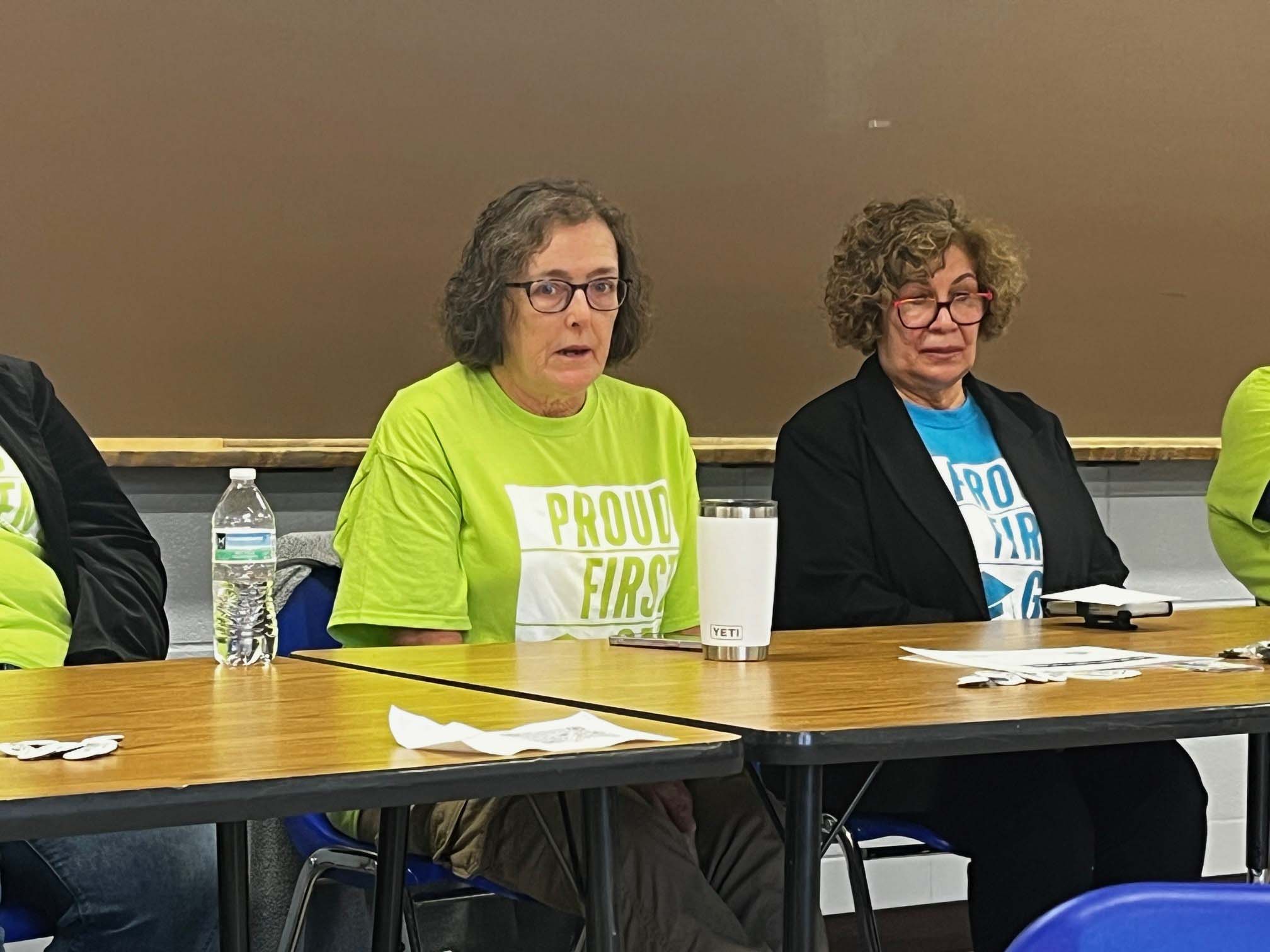
A special panel discussion held Wednesday on campus featured Bluefield State faculty and staff who are first-generation college graduates. Panel members included Angie Wassum, Financial Aid Counselor; Dr. Amanda Matoushek, Dean of the College of Arts, Education, and Social Sciences; Rebekah Hatch, Director of Career Services; Dr. Zen Faulkes, Assistant Professor of Biology; Steven Jarvis, Admissions Application Software Specialist; Scott Considine, Head Baseball Coach; and Carolyn Kirby, Director of the Academic Success Center. Each shared personal stories of challenge, perseverance, and success, offering inspiration to current students who are following in similar footsteps.
The event highlighted the importance of mentorship and community support while celebrating the university’s strong tradition of serving first-generation learners, who represent 31 percent of Bluefield State’s student body.
“Being a first-generation college student is about more than earning a degree; it is about transforming families, communities, and the future of our region,” said Dr. Darrin Martin, President of Bluefield State University. “Every first-generation student who crosses our stage at graduation helps move West Virginia forward.”
Among those attending the event was Hattie Jones, a first-generation nursing student at Bluefield State. “I applaud the panel because I think about the struggles I have as a working student, and when I hear encouragement coming from them, it encourages me,” Jones said.
According to the 2022 West Virginia Higher Education Report Card, the estimated Fall 2023 college-going rate for high school graduates in Bluefield State’s seven-county service area averaged 35.3 percent, more than ten points below the state average of 46 percent. The challenge extends beyond enrollment: only 24.8 percent of West Virginians hold a bachelor’s degree or higher, and in Bluefield State’s immediate service region, that figure drops to 13.9 percent.
“These numbers show why our mission matters,” Dr. Martin said. “When a student becomes the first in their family to earn a degree, it changes everything from the opportunities they have to the example they set for others. That impact ripples across generations.”
The effort to raise educational attainment aligns closely with the West Virginia Higher Education Policy Commission’s “West Virginia’s Climb” initiative, a collaborative effort among higher education, the West Virginia Department of Education, WorkForce West Virginia, and the private sector. The statewide goal aims to ensure 60 percent of West Virginians hold a certificate or degree, helping build a stronger, more competitive workforce.
“Bluefield State is proud to support West Virginia’s Climb,” Dr. Martin added. “As we celebrate our first-generation students, we are also renewing our commitment to increase access, expand opportunity, and help more West Virginians reach their full potential.”
By celebrating first-generation success and expanding access through programs in nursing, engineering, business, and education, Bluefield State continues to play a vital role in closing this gap, empowering students to achieve, and driving the region’s economic renewal.
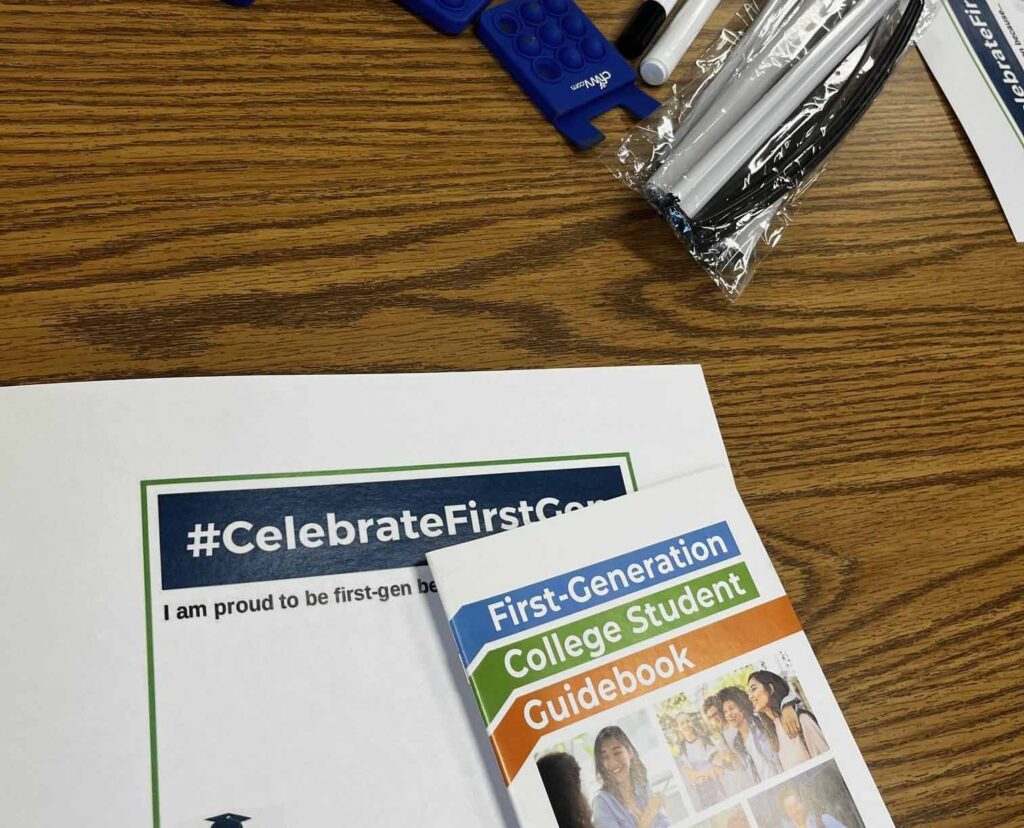
Students, faculty, and alumni joined the national conversation using the hashtag #CelebrateFirstGen, sharing stories that reflect the university’s enduring mission: creating opportunity where it is needed most.
First-Generation by the Numbers
- 31% of Bluefield State University students are the first in their family to attend college.
- 35.3% of recent high school graduates in BSU’s seven-county service region go on to college, more than ten points below the West Virginia average of 46%.
- Only 13.9% of adults in BSU’s service region hold a bachelor’s degree or higher, compared to 24.8% statewide.
- West Virginia’s Climb, led by the West Virginia Higher Education Policy Commission, aims to raise statewide attainment to 60% through partnerships among education, workforce, and industry.